

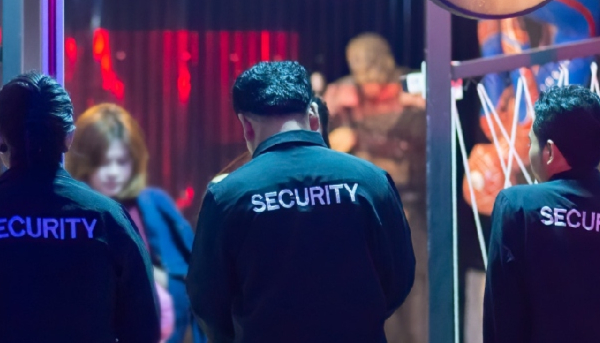
 Armed Security Guard
Table of Contents
ToggleEvent Security Planning: What Organizers Should Arrange Before the Crowd Arrives
Most event problems do not begin when guests walk through the entrance. They start much earlier during the planning process. Unclear responsibilities, poor communication, inadequate access control, and overlooked emergency procedures can quickly turn a well-intended gathering into a stressful situation.
Whether you are organizing a corporate conference, community festival, private celebration, fundraising gala, or large public event, proactive planning is essential. Effective event security in Southern California is not simply about having personnel on site. It involves arranging systems, assigning responsibilities, assessing risks, and preparing for the unexpected before the first attendee arrives.
Businesses and organizers increasingly recognize that streamlined communication and organized workflows improve event outcomes. Solutions that support coordination, such as those offered by BIG GUYS AGENCY, help teams stay prepared and responsive when every detail matters.
This guide outlines what organizers should arrange before the crowd arrives to create safer, smoother, and more successful events.
Start With the Event Fundamentals
Before considering staffing or emergency procedures, establish the basic details of your event.
Document the following information:
- Event type and purpose
- Event date and operating hours
- Setup and breakdown schedules
- Venue address
- Expected attendance
- Public or private access
- VIP guests, speakers, or performers
- Alcohol service plans
- Vendor participation
- Parking arrangements
The effectiveness of event security in Southern California often depends on how well organizers understand the scope of the event. A clear overview provides the foundation for every security-related decision that follows.
Conduct a Full Venue Assessment
A venue walkthrough should never be skipped. Floor plans rarely reveal practical concerns that become obvious during an in-person inspection.
Evaluate the venue by identifying:
- Main entrances and exits
- Emergency exits
- Blind spots
- Restricted-access areas
- Loading zones
- Vendor entrances
- Parking facilities
- Restroom locations
- High-traffic areas
- Potential crowd bottlenecks
Strong venue security Southern California planning requires organizers to understand how people will move through the property and where vulnerabilities may exist.
Even experienced event planners often discover issues during site visits that require adjustments before event day.
Perform a Thorough Risk Assessment
Every event presents unique risks. The goal is not to anticipate every possible scenario but to identify realistic concerns and prepare appropriately.
Consider factors such as:
- Expected crowd size
- Open versus controlled access
- Alcohol availability
- Theft risks
- Trespassing concerns
- Medical emergencies
- Traffic congestion
- Weather conditions
- VIP attendance
- Protest potential
- Previous incidents at similar events
- Effective event security in Southern California begins with an honest assessment of what could reasonably occur.
Smaller private gatherings may require minimal intervention. Larger public events often demand more extensive preparation and oversight.
Understanding these differences helps organizers allocate resources efficiently.
Determine Staffing and Coverage Needs
Not every event requires the same level of security presence.
Organizers should determine:
- Number of personnel required
- Entrance staffing needs
- Parking lot coverage
- Crowd management support
- Supervisory roles
- Access control responsibilities
- Communication coordinators
- Incident response personnel
The right deployment strategy should match the event’s size, complexity, and risk profile.
When evaluating event security guards in LA, visibility also matters. Some situations benefit from a noticeable presence that reassures attendees. Others require a more discreet approach that maintains a welcoming atmosphere.
Avoid relying on generic formulas. Tailor staffing decisions to the specific event.
Establish Clear Access Control Procedures
Access control is one of the most effective ways to reduce disruptions before they occur.
Decide in advance:
- Who can enter the venue
- How guests will be verified
- Whether tickets or RSVPs are required
- How VIP guests will be identified
- Vendor credential procedures
- Re-entry policies
- ID verification requirements
- Bag inspection protocols
- Clear procedures improve efficiency while minimizing confusion at entrances.
Organizers focused on event security in Southern California understand that consistent enforcement prevents many avoidable issues.
Everyone responsible for entry management should understand these procedures before doors open.
Create a Communication Plan
Communication failures can undermine even the strongest security strategy.
Every team member should know:
- Who has decision-making authority
- Who serves as the primary point of contact
- Escalation procedures
- Radio channels or phone protocols
- Incident reporting methods
- Backup contacts
Well-defined communication systems reduce delays and support faster responses when situations arise.
Preparation becomes significantly more effective when everyone understands their responsibilities and reporting structure.
Plan for Crowd Movement
Attendance numbers alone do not determine risk.
How attendees move throughout the venue often has a greater impact on safety and guest experience.
Review the following:
- Entry procedures
- Registration flow
- Check-in stations
- Queue management
- Concession lines
- Restroom traffic
- Hallway congestion
- Stairwell capacity
- Exit routes
Two hundred attendees arriving gradually may present fewer challenges than two hundred guests attempting to enter simultaneously.
Comprehensive event security in Southern California planning prioritizes crowd flow to reduce congestion and improve operational efficiency.
Identifying pressure points early allows organizers to implement practical solutions before problems develop.
Prepare Emergency Response Procedures
Emergencies require immediate action. Teams perform best when they know exactly what to do.
Develop response procedures for:
- Medical incidents
- Missing persons
- Suspicious activity
- Physical altercations
- Severe weather
- Fire emergencies
- Power outages
- Evacuations
Document emergency contact information, including:
- Event organizers
- Venue management
- Medical providers
- Emergency services
- Key vendors
- Security supervisors
A written response plan helps eliminate confusion during stressful situations.
Organizers investing in event security in Southern California recognize that preparation often determines the effectiveness of the response.
Teams should review emergency protocols before attendees arrive.
Do Not Ignore Exterior Areas
Security concerns frequently occur outside the main event space.
Evaluate:
- Parking lot safety
- Lighting conditions
- Side entrances
- Vendor loading zones
- Ride-share pickup areas
- Equipment storage locations
- Post-event gathering spots
Reliable venue security Southern California strategies extend beyond the building itself.
Exterior oversight contributes to a safer environment while supporting smoother arrivals and departures.
Neglecting these areas can create vulnerabilities that undermine otherwise strong planning efforts.
Prepare for Event Shutdown
Security planning should continue after the event concludes.
Organizers should establish procedures for:
- Guest departures
- Vendor breakdown schedules
- Equipment protection
- Cash handling
- Incident documentation
- Staff departure coordination
- Final venue inspections
Many challenges arise as attendees leave the venue.
Strong security for events requires organizers to maintain structure until everyone has safely exited and operations have concluded.
Closing procedures are just as important as opening preparations.
Quick Event Security Planning Checklist
Before event day, confirm that you have completed the following:
- Define event details and objectives.
- Conduct a venue walkthrough.
- Assess event risks.
- Determine staffing requirements.
- Establish access control procedures.
- Create communication protocols.
- Plan crowd movement strategies.
- Prepare emergency response procedures.
- Review exterior security considerations.
- Brief all personnel before opening.
- Develop post-event shutdown plans.
This checklist helps organizers approach event security in Southern California with greater confidence and clarity.
When Professional Support Makes Sense
Planning tools and checklists provide valuable guidance, but some events require additional expertise.
You may benefit from professional support if your event includes:
- Large crowds
- VIP attendance
- Multiple access points
- Complex logistics
- Alcohol service
- Public participation
- Extended operating hours
Experienced professionals can strengthen coordination, improve response capabilities, and support smoother event execution.
Whether organizing a private gathering or a major public function, investing in reliable security for events helps protect attendees, staff, and organizational reputation.
If you are planning an upcoming event and want to support creating organized systems that enhance communication and operational readiness, Contact Big Guys Agency to learn how streamlined coordination solutions can help your team prepare with confidence.
Frequently Asked Questions
What should organizers arrange before guests arrive at an event?
Organizers should confirm event details, assess venue risks, establish access control procedures, assign staffing responsibilities, create communication plans, prepare emergency responses, and coordinate shutdown procedures.
Why is event security planning important?
Planning reduces uncertainty and helps organizers identify potential vulnerabilities before they affect guests. Effective preparation improves safety, coordination, and overall event success.
How early should event security planning begin?
The timeline depends on the event’s size and complexity. Smaller gatherings may require weeks of preparation, while larger events often benefit from planning months in advance.
What should be included in a risk assessment?
Risk assessments should evaluate crowd size, access control concerns, medical response capabilities, weather conditions, theft risks, traffic considerations, and event-specific vulnerabilities.
Why are communication plans important?
Communication plans establish clear reporting structures, define responsibilities, and ensure that team members know how to escalate concerns quickly and efficiently.
Do small events require security planning?
Yes. Even smaller events benefit from structured preparation. Basic planning helps organizers address access control, emergency contacts, guest flow, and unexpected situations.
How can organizers improve event preparedness?
Organizers can improve readiness by conducting venue assessments, documenting procedures, training personnel, reviewing emergency plans, and seeking professional guidance when appropriate.
Final Thoughts
Successful events rarely happen by chance. They result from thoughtful preparation, clear communication, and organized execution.
The most effective event security in Southern California strategies begin long before attendees arrive. Organizers who assess risks, establish procedures, coordinate teams, and prepare contingencies create safer environments and better guest experiences.
Planning is not about expecting problems. It is about being ready to handle them confidently if they arise.
As organizations continue to prioritize efficiency and preparedness, BIG GUYS AGENCY recognizes the value of systems that help teams stay organized when every detail counts.
Comments are closed